No, You Don’t Have A Constitutional Right To Protest
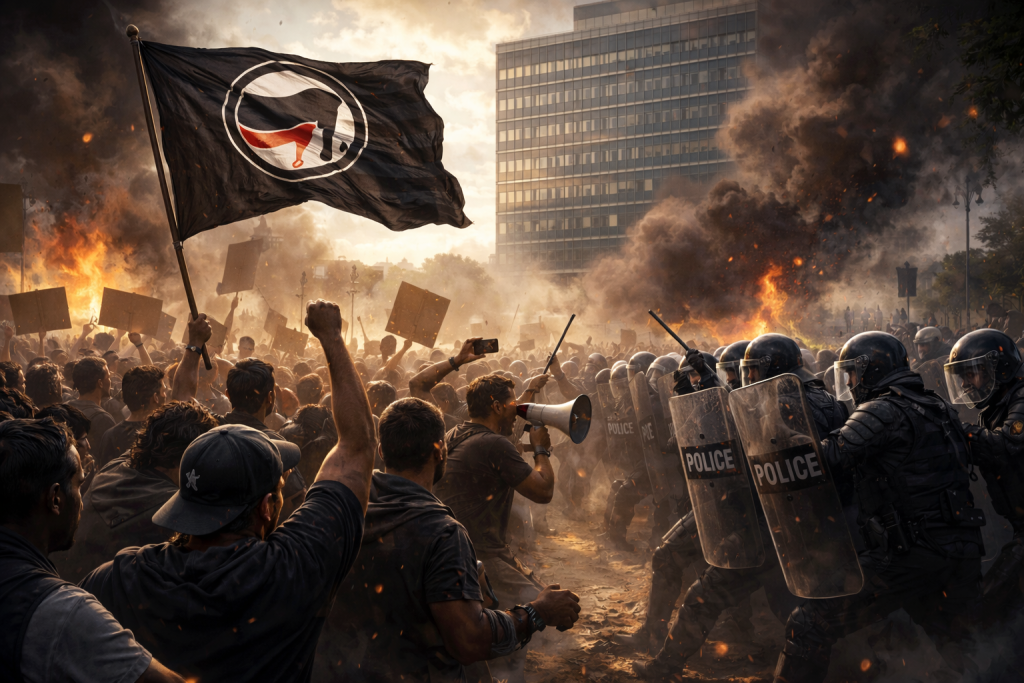
Americans are told protest is a constitutional right. It isn’t. The First Amendment protects speech, assembly, and petition—peaceably—not disruption, coercion, or mob rule. That modern myth masks force as virtue and chaos as conscience. Read the words, trace the law, and you will understand why persuasion—not paralysis—defines American liberty in practice today.
Render Unto Caesar: Why Christianity and Islams Sit at Opposite Ends of a Theocracy Spectrum
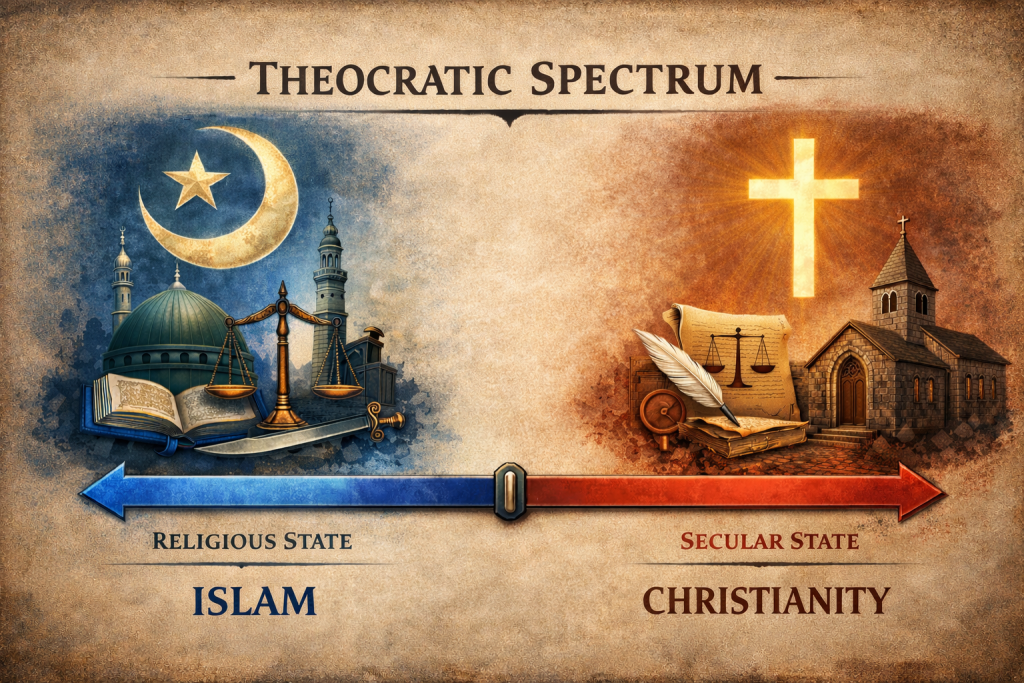
Follow along as we trace the hidden architecture beneath civilizations, showing how different faiths assign authority, constrain power, or sanctify it. We will reveals why Christianity fractures political authority, why Islam consolidates it, and why the tension between church and state was not a compromise but a revolution. What emerges is not a culture war argument, but a map—one that explains why the state keeps asking for more, and why some traditions were built to say no.
THE WHIPSAW OF HUMOR: Why Offense Makes Us More Honest

In a low-ceilinged comedy club, a comedian tells a joke about American Indians that leans on a stereotype everyone in the room already recognizes, and the laugh comes fast—not because the audience believes the caricature, but because they recognize it as a cliché—then the whipsaw snaps back, and in the quiet half-second after the laugh, minds start correcting the record, recalling Native soldiers, engineers, artists, leaders, and neighbors, noticing the absurdity of the stereotype more clearly precisely because it was spoken aloud, reduced to a cartoon and exposed, doing what suppression never does by dragging a lazy idea into the light where it shrinks, destabilizes, and collapses under the weight of lived reality rather than being preserved intact by silence.
Why Is Government Power Supposed To Be Safer Than Corporate Power?
Power doesn’t become safer because it promises good intentions. The modern Left condemns concentrated authority in corporations, yet celebrates it in government, insisting elections make bureaucracy accountable. But when voters deliver an unwelcome result, the administrative state does not submit—it resists, litigates, and shelters itself behind courts and procedure. That reaction exposes the truth this piece explores: bureaucracy answers less to ballots than to its own permanence. History is clear on where this leads—power that believes itself righteous soon decides it no longer needs restraint.
The True Meaning of Dickens’ “A Christmas Carol”
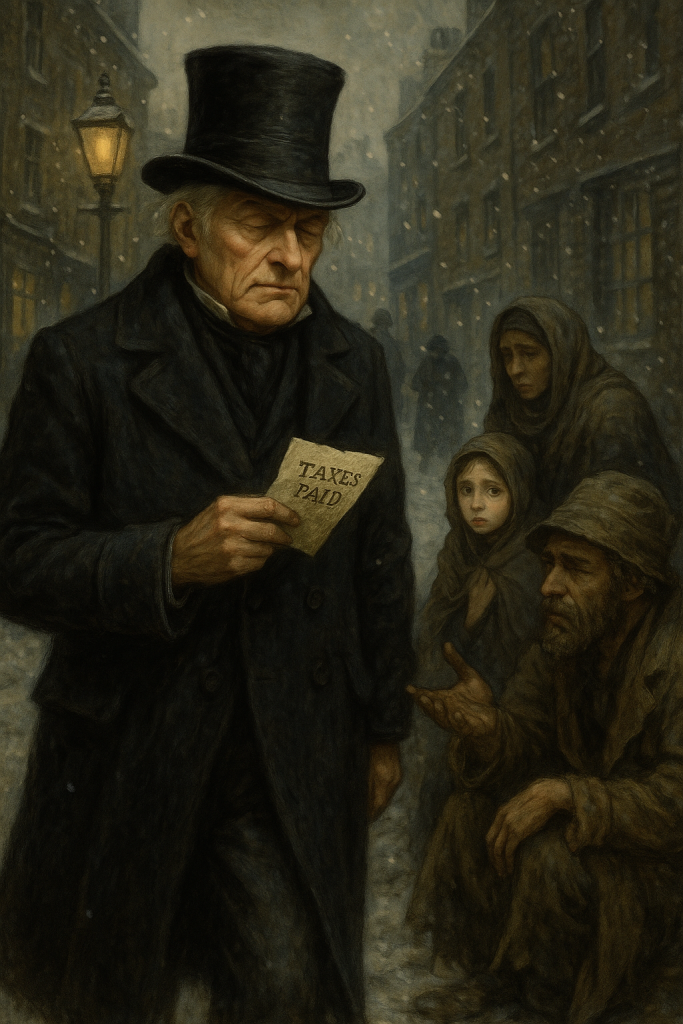
Charity is not merely the transfer of goods, but the recognition of another person’s humanity. When Scrooge finally breaks open the vault of his own heart, it is not redistribution. It is relationship. He walks the streets. He speaks to his neighbors. He becomes a steward of the people whose lives intersect with his own. His charity is voluntary, local, personal—everything big government collectivism cannot be.
Collectivism’s Blind Eye: When a Mayor Talks About a Statistic Instead of a Woman on Fire
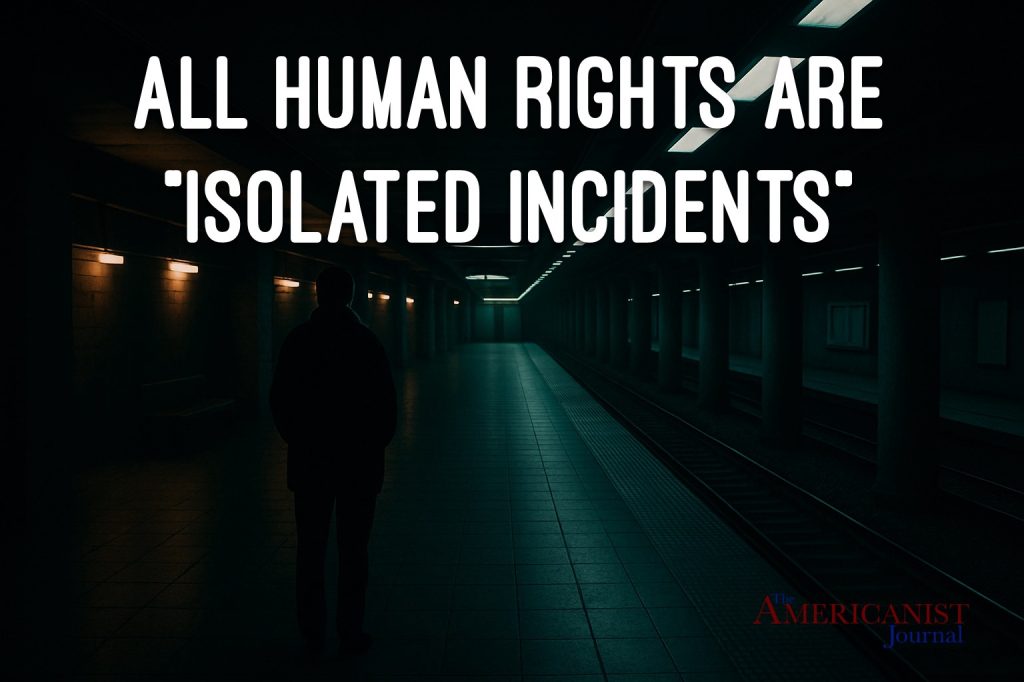
A city reels after a woman is set ablaze on a Chicago train, yet its mayor responds with the cold vocabulary of bureaucracy. This piece exposes how political leaders use phrases like “isolated incident” to smother accountability, erase individual suffering, and protect a worldview where human beings are statistics first and citizens second.
The Rise of the Libertarian Socialist
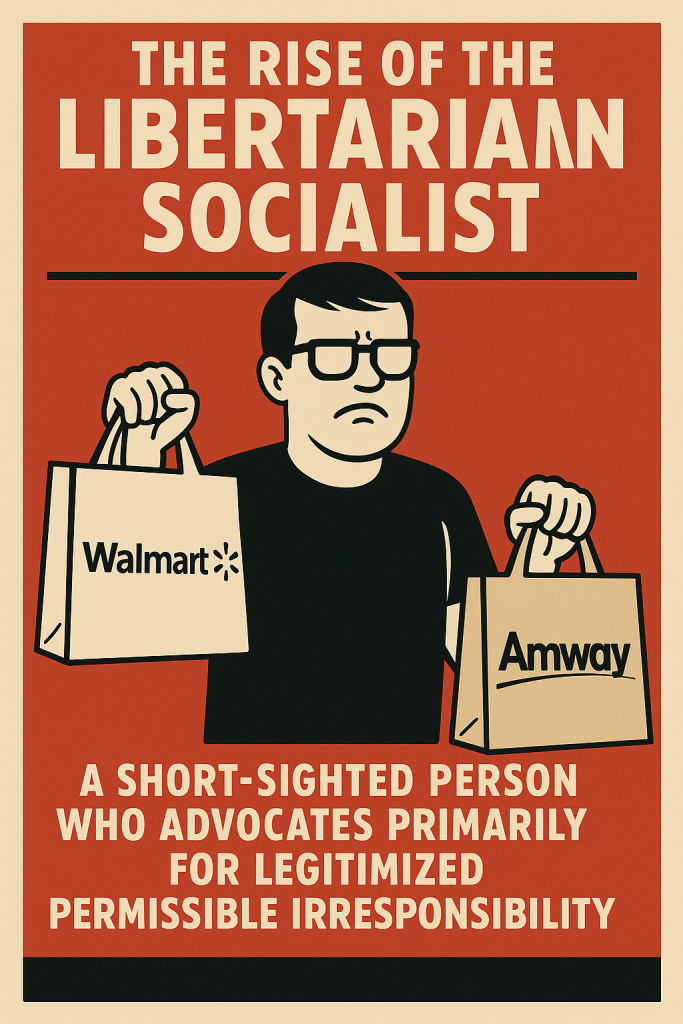
The Creed of Permissible Irresponsibility You’ve met him, though he doesn’t know his name. He is the man who praises liberty but shirks duty, who cloaks indulgence in the language of principle. He calls himself a libertarian when he wants to sound virtuous and independent—but what he practices isn’t liberty at all. It’s license without […]
Faith Without Tyranny: Why Only Christianity Could Have Founded America
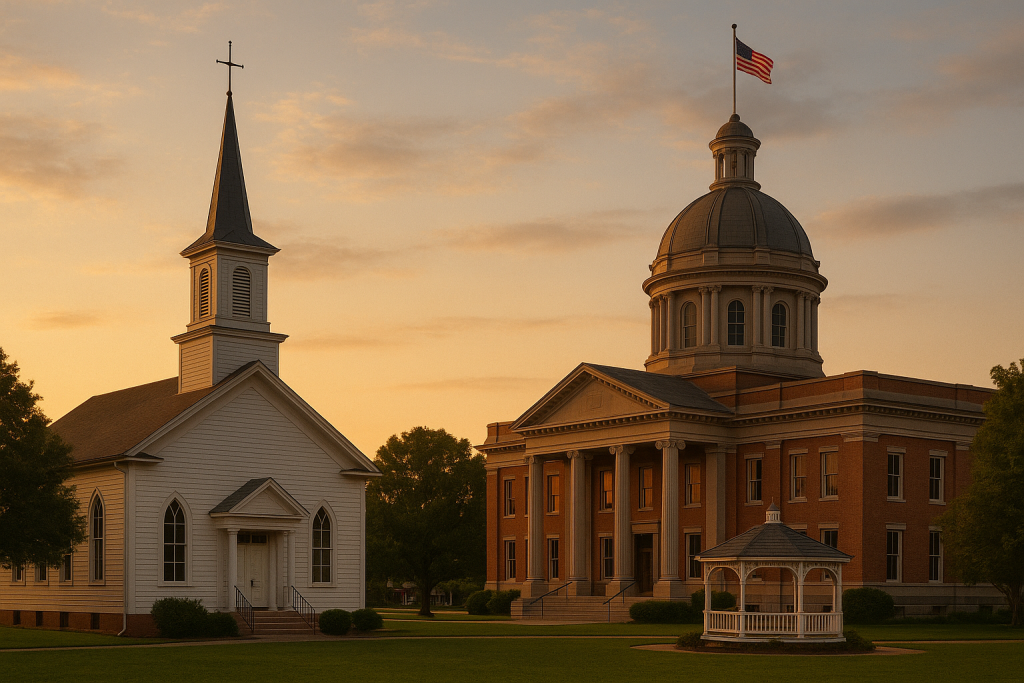
When Christianity first declared, “Render unto Caesar what is Caesar’s,” it quietly redrew the map of human freedom. That single line—and the faith that lived by it—made liberty possible by separating the power of the state from the conscience of the soul. In a world where other belief systems like Islam fuse religion with rule, Christianity’s distinction remains the cornerstone of the American idea: that the Bill of Rights protects individual faith, not religious fascism.
The War on Personality: How Pathology Replaced the Soul

We are raising generations who believe that wholeness comes from diagnosis rather than from duty, from therapy rather than from truth. They are taught to “accept themselves” while quietly being rewritten to fit the new collective software. They are taught to “find their voice” while being given a vocabulary that ensures they all speak alike.
The Great Confusion: Collectivism vs. Cooperatism

Listen to the audio version: Modern politics is a fog machine, and one of its thickest clouds lies in how we’ve let words blur into their opposites. “Collective good,” “common cause,” “shared responsibility”—phrases once rooted in neighborly cooperation are now weaponized by those who believe power is the rightful substitute for persuasion. What used […]